
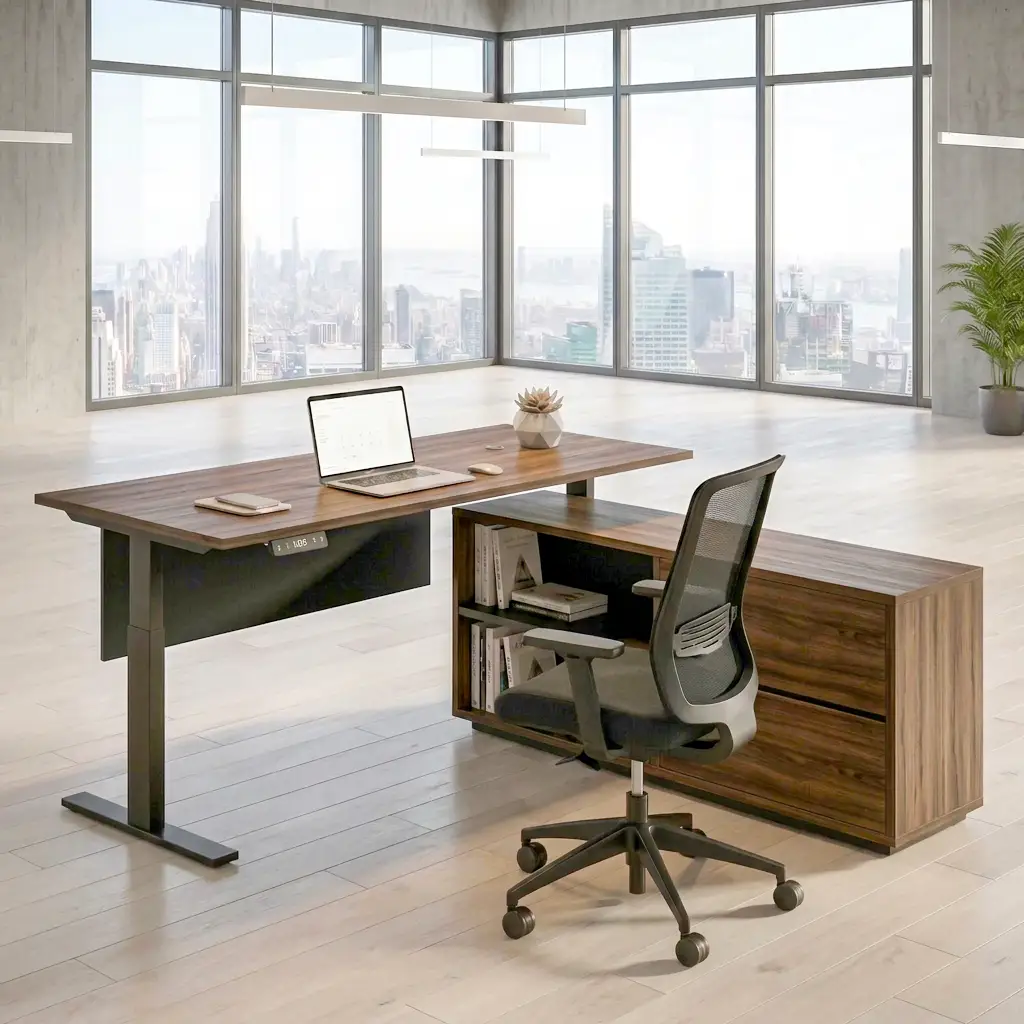
Modern Office Furniture Trends for 2026: Transform Your Workspace with Style and Functionality
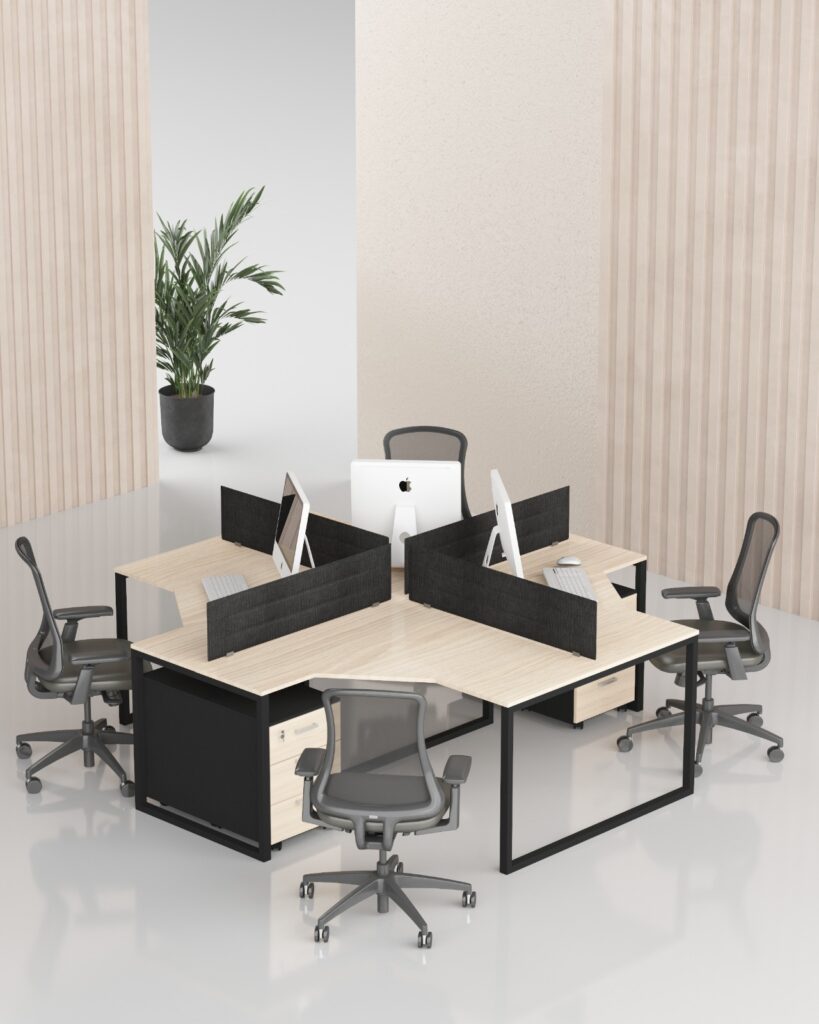
Modern Office Furniture Trends for 2026
Introduction: A New Era of Office Design
Office spaces are undergoing a remarkable transformation in 2026. Today’s modern workplace demands furniture that not only looks stylish and professional but also enhances comfort, productivity, and well-being. With the rise of hybrid work, shifting employee expectations, and a growing focus on sustainability, office furniture trends for 2026 revolve around adaptability, innovation, and smart design.
In this blog, we’ll explore the top trends shaping modern office furniture in 2026 — from ergonomic solutions to eco-friendly materials — so you can design a workspace that feels fresh, efficient, and inspiring.
1. Ergonomic First: Comfort Meets Smart Design
Ergonomics Is Mandatory
Employees spend long hours at desks. In 2026, workspace wellness has become a priority rather than a perk. Ergonomic office furniture is now essential, not optional. Chairs and desks that support posture and movement are trending hard.
Smart Ergonomic Chairs
Modern ergonomic chairs go beyond basic adjustability. They now include:
-
Lumbar support with adaptive feedback
-
Seat pressure sensors
-
Breathable materials that adjust to temperature
These features improve comfort, reduce fatigue, and boost long-term health.
Sit-Stand and Dynamic Workstations
Height-adjustable desks continue to dominate. However, 2026 takes them further with preset positions, automated reminders, and even integrated tracking that encourages movement throughout the day.
2. Flexible & Modular Furniture for Hybrid Workspaces
With hybrid work the norm, flexibility is key. Furniture that quickly adapts to different uses is soaring in popularity.
Modular Desks and Pods
Modular systems allow teams to:
-
Reconfigure layouts for collaborations
-
Create solo focus zones
-
Expand or shrink workstations with no hassle
These systems save space and make offices more dynamic.
Mobile Storage Solutions
Moves and changes happen often. Rolling cabinets and portable storage units let teams stay organized without permanent fixtures.
3. Biophilic Design: Nature-Inspired Interiors
Green Elements Enhance Well-Being
Biophilic design continues its rise in 2026. People feel calmer, more creative, and energized in spaces that reflect nature.
Furniture trends include:
-
Built-in planters in desks and shelves
-
Natural wood and stone finishes
-
Earth-tone upholstery and eco-friendly fabrics
These choices make offices feel welcoming and reduce stress.
Nature as a Productivity Booster
Studies show that nature elements improve focus and mood. Integrating biophilic furniture isn’t just beautiful — it’s scientifically effective.
4. Sustainable & Eco-Conscious Office Furniture
Sustainability is no longer a trend — it’s a responsibility.
Recycled and Low-Impact Materials
More brands in 2026 are producing office furniture made from:
-
Reclaimed wood
-
Recycled plastics
-
Biodegradable fabrics
These materials reduce environmental impact without compromising style or durability.
5. Smart Furniture with Integrated Technology
Tech-enabled furniture is reshaping how we work.
Wireless Charging & Connectivity
Desks with built-in wireless charging pads, hidden USB hubs, and power outlets make clean cable management a reality.
AI-Assisted Furniture
Some executive desks and chairs now include AI tools that:
-
Suggest posture adjustments
-
Track ergonomic data
-
Personalize height and tilt settings
This new level of smart furniture creates a personalized work experience.
6. Collaborative Zones & Community Spaces
Beyond Traditional Cubicles
2026 office layouts emphasize open collaboration zones with comfortable seating, writable surfaces, and flexible tables.
Acoustic Pods for Focused Work
While open spaces encourage teamwork, quiet zones are crucial too. Acoustic pods provide privacy and concentration without isolation.
7. Minimalist Aesthetics with Bold Accents
Modern, Clean Lines
Minimalist furniture with slim profiles and reduced clutter remains a key trend. These designs make offices look sleek and professional.
Statement Pieces and Bold Colors
Minimalism doesn’t mean dull. In 2026, designers are adding bold accent chairs, vibrant rugs, and colored desk partitions to create visual interest.
8. Personalized Workspaces
Employees value choice more than ever. Personalization is transforming furniture trends.
Customizable Desks and Seating
From color options to adjustable configurations, workers can now tailor their furniture to their workflow and comfort preferences.
Dedicated Zones for Focus vs. Collaboration
Some team members need quiet spaces, while others thrive in collaborative settings. Furniture that supports both boosts morale and productivity.
9. Multi-Functional Furniture That Saves Space
Workspace efficiency matters just as much as style.
Foldable and Hidden Features
Furniture designs now include:
-
Fold-away desks
-
Hidden meeting tables
-
Convertible seating
These options maximize floor space and flexibility.
10. Premium Materials and Textures for a Professional Look
Modern office furniture in 2026 blends aesthetics with performance.
Quality Wood and Metal Combinations
Rich wood grains paired with brushed metal create a balance of warmth and modernity.
Tactile Fabrics That Feel Good
Soft textile finishes on chairs and sofas improve comfort and give premium appeal.
Conclusion: Designing the Future Workplace
The office furniture landscape in 2026 reflects profound changes in how we work. Modern offices now blend technology, comfort, sustainability, and adaptability to create environments where people feel inspired and productive.
Whether you’re redesigning an entire office or updating select pieces, focusing on ergonomics, flexibility, biophilic design, and smart technology ensures your space stays ahead of trends.
FAQs
1. What’s the biggest trend in office furniture for 2026?
Ergonomic and tech-integrated furniture that supports wellbeing and hybrid work.
2. Is sustainable furniture worth investing in?
Yes. It aligns with company ESG goals and often lasts longer.
3. Are modular workstations better than fixed desks?
For flexible workplaces and hybrid teams, modular systems are highly practical.
4. What materials are trending in modern office design?
Recycled wood, metal accents, and eco-friendly fabrics dominate.
5. How can I make my office feel more modern without a full renovation?
Start with ergonomic chairs, smart desks, and biophilic accents.
Iconic Office Furniture
We are a customized solution provider for Office furniture in Dubai, UAE. We offer finest collection of Modern & Luxury office furniture. We address challenges in the office furniture industry with the right ergonomic solutions and quality products that boost productivity in the workplace.


